Foam mattresses offer substantial support and pressure relief through layered foam systems that contour to the body while maintaining spinal alignment. In this category, original foam constructions emphasize durability, motion isolation, and varying firmness options to accommodate different sleeping preferences. Key features often include high-density transition layers and breathable foam to promote comfort throughout the night.
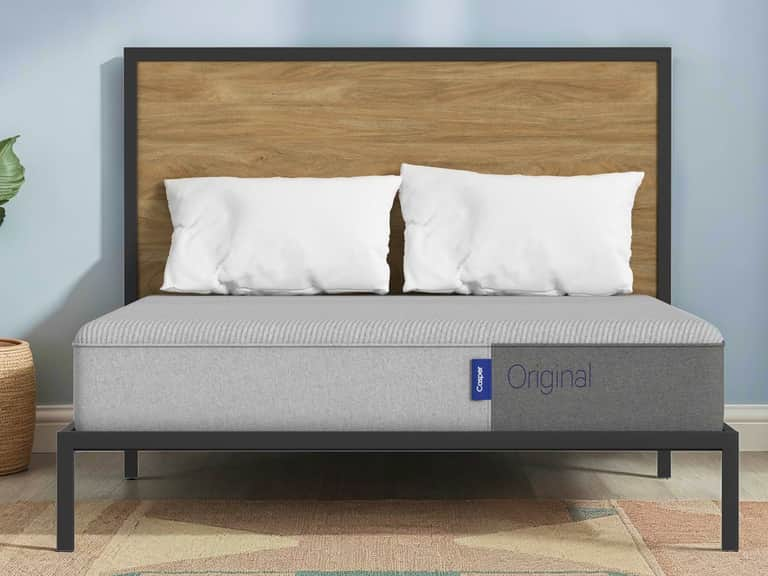
The Original Mattress combines a balanced feel with supportive contouring, using multiple foam grades to reduce pressure points and minimize partner disturbance. It typically integrates a transition layer for improved ease of movement and a breathable cover to enhance surface cooling. This model is suitable for a range of sleep styles, from side to back sleepers.
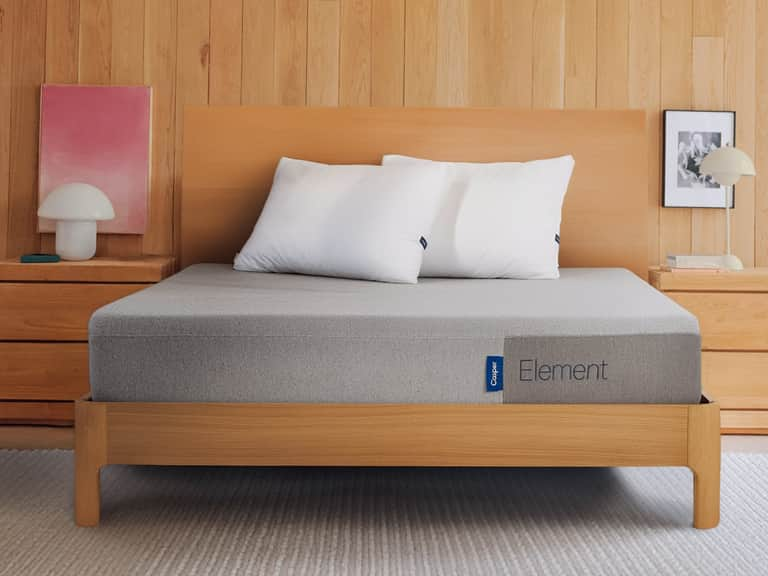
The Element Mattress focuses on targeted ergonomics and lift, employing zoned or modular foam segments to enhance support where the body needs it most. Its design aims to maintain alignment of the neck, shoulders, and hips while preserving a comfortable, buoyant feel. This makes it a practical option for individuals seeking organized contouring without excessive heat buildup.
Foam mattresses are commonly paired with complementary bedding components such as pillows and sheets that optimize comfort and hygiene. When considering organic materials, layered foam systems can be combined with breathable covers and anti-microbial properties to support restful sleep. Understanding foam density, firmness, and ventilation helps users select a model that fits personal sleep needs.
In addition to general construction, important functional benefits of foam mattresses include motion isolation, quick off-gassing considerations, and long-term durability under normal use. Evaluating mattress terminology—density, resilience, and memory features—helps consumers interpret product descriptions and assess long-term compatibility with existing bed frames and bedding ecosystems.
 Mattresses