A Practical Guide to Choosing Organic Mattresses: Materials, Brands, and Sleep Health
How to evaluate comfort, durability, and health considerations when selecting an organic mattress. Insights from sleep science, material transparency, and brand integrity.
In a world flooded with sleep products, the choice of an organic mattress stands out as a decision that touches health, environment, and daily routines. The mattress you lie on each night is more than a surface; it is a foundation that shapes sleep quality, temperature regulation, and emotional well-being. This guide distills the essentials of organic mattresses—what makes them organic, which certifications matter, and how you can compare brands without getting lost in marketing jargon.
1) Organic mattress fundamentals: what makes a mattress organic
Organic mattresses are defined by the strict sourcing of materials, avoidance of certain chemicals, and transparent manufacturing practices. Key elements include:
- Organic latex: either Dunlop or Talalay latex sourced from certified organic plantations and processed under internationally recognized standards such as GOLS (Global Organic Latex Standard).
- Natural or organic fills: wool, cotton, and other natural fibers chosen for low chemical exposure, with attention to how wool’s temperature regulation and cotton’s breathability contribute to comfort.
- Organic cotton casings and covers: fabrics that are GOTS-certified or equivalent, ensuring low impact on ecosystems and reduced chemical load.
- Reduce carcinogens and off-gassing: organic materials and certified components are selected to minimize odors and volatile organic compounds (VOCs).
Choosing an organic mattress is partly about materials and partly about the supply chain. It involves asking tough questions: Are the materials certified? What is the farm-to-mattress journey? How does the brand verify its supply chain? A thoughtful buyer seeks clarity on both the product and its provenance.
2) Certifications to look for: trust marks that matter
Certifications function as a public ledger of product integrity. They do not guarantee perfection, but they provide reliable baselines for comparing mattresses across brands. The most widely recognized certifications include:
- Global Organic Textile Standard (GOTS): applies to organic textiles, including fabrics used in mattress covers and padding. It emphasizes organic fibers, ethical processing, and minimal chemical use.
- Global Organic Latex Standard (GOLS): certifies the organic status of latex in mattresses, from harvest to processing, ensuring organic content and responsible production.
- OEKO-TEX Standard 100 or similar third-party skin-safety tests: confirms that textiles are free from harmful substances that could irritate skin.
- EPA Safer Choice or other environmental health benchmarks: indicate products designed to reduce environmental and human health risks.
- Other brand-specific certifications: many premium brands publish internal quality and sustainability audits, soil-to-sleep narratives, and supplier codes of conduct.
When evaluating a brand, compile a short dossier for yourself: which certifications are held, what portions of the mattress are certified, and whether the brand can provide verifiable documentation or a certificate of conformity for each material component.
3) Material palettes: wool, latex, cotton, and natural fills
Organic mattresses often blend several natural materials to balance comfort, support, and climate control. Below is a concise mapping of common materials and their sleep-health implications:
- Latex: Natural latex, whether Dunlop or Talalay, offers responsive support and durability. It tends to sleep cooler than memory foam and can be resilient against body impressions. The organic certification ensures rubber trees are grown under sustainable practices and that processing preserves purity.
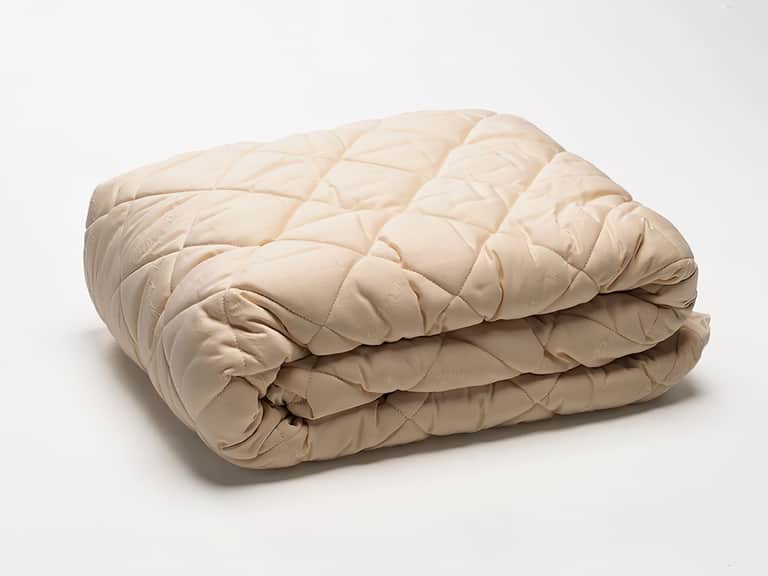
- Wool: A natural regulator, wool helps absorb moisture and maintain a stable microclimate. It also provides an inherent flame barrier when used in combination with other organic layers. Wool’s hypoallergenic properties can benefit sensitive sleepers, though the feel may vary depending on blend and thickness.
- Cotton (organic): Cotton provides breathable shell layers and comfortable contact surfaces. It’s typically used in covers or quilted farms to create a soft, non-irritating skin contact zone. Organic cotton reduces pesticide exposure during cultivation and processing.
- Organic blends and other natural fills: Some mattresses incorporate blends such as organic wool and cotton or layered natural fibers to optimize airflow, weight distribution, and temperature regulation. Each mix affects firmness, compression, and long-term durability.
In practice, the “organic” label applies to the materials meeting strict standards. However, comfort remains subjective. A mattress may verify organic content, yet still deliver a firmness or contour that doesn’t align with your preferred sleeping position. The right approach blends material science with an in-person test, where feasible, to gauge your body’s response to different configurations.
4) Quick brand comparisons: Vispring, Naturepedic, Obasan, and Healthy Choice
While no single brand rules all, these names routinely surface in thoughtful conversations about organic mattresses. Each brand tends to emphasize different strengths—luxury materials, robust certifications, or a focus on health-conscious production.
Vispring
Vispring has long been associated with luxury spring systems and natural materials. In the organic space, expect premium casings and a heritage-driven approach to comfort. Their materials often foreground wool and cotton blends paired with natural latex, delivering a classic, supportive feel that appeals to sleepers seeking long-term durability and a traditional mattress structure.
Naturepedic
Naturepedic is renowned for transparent, certification-forward designs. Their mattresses emphasize organic cotton, non-toxic flame retardants, and balanced spring or latex configurations. The brand tends to appeal to families and health-conscious buyers who want clear documentation of materials and processes.
Obasan
Obasan emphasizes natural latex and wool layers with careful attention to cover fabrics. Their approach highlights a serene sleep environment with emphasis on breathability and low chemical exposure. The result is a sleep surface that aims to be responsive to movement while maintaining an organic ethos.
Healthy Choice
Healthy Choice focuses on simple, natural configurations that emphasize accessibility and clear material choices. The brand often seeks to provide straightforward, trustworthy options that align with broader wellness goals, making it a practical entry point for readers new to organic mattresses.
When comparing brands, consider the following: explicit material lists, third-party certifications, return/warranty terms, and the availability of a test period. A well-documented product with transparent sourcing can save you friction in the long run, especially if you anticipate wanting to tweak comfort by adjusting layers or configurations after purchase.
5) Care, warranties, and longevity: practical considerations
Organic mattresses deserve careful upkeep to preserve their performance over time. Key considerations include:
- Care instructions: some natural fills require specific washing or spot-cleaning approaches to maintain loft and shape without compromising fibers.
- Warranty terms: longer warranties often correlate with higher expectations for durability and material integrity. Look for coverage that includes both materials and workmanship.
- Rotation and flipping: check whether the mattress is designed for rotation, and if so, how frequently. This can help even out wear on different zones of the bed.
- Temperature and humidity environments: organic materials can be sensitive to moisture. A well-ventilated room and a properly sealed cover can prolong performance and reduce mold risk.
Reading the care section with a critical eye—what is covered, what is excluded, and how easy it is to obtain service—helps ensure your mattress remains a healthy foundation for sleep for years to come.
6) A guest look: three key individuals across time who shaped the sleep and mattress landscape
From the early 20th century to the modern era, three thinkers illustrate how ideas about comfort, health, and design have evolved in tandem with the materials beneath us. Each figure, in their era, contributed to the language we use today to describe comfort, foundation, and healthy sleep.
Henry Ford (1863–1947)
While not a sleep scientist, Ford’s relentless efficiency mindset and assembly-line thinking shaped product consistency at scale. The idea of “standardized foundations” in manufacturing later echoed in the way mattress brands standardized layers and testing protocols, ensuring consistent feel across production runs. Ford’s influence on predictable, quality foundations—whether in automotive or bedding—laid groundwork for modern consumer expectations.
Doris Hanlon (1930s–1980s)
In the realm of ergonomics and ergonomic design, Hannah’s generation pushed for better alignment between the human body and everyday objects. Her work foreshadowed considerations of spinal support and pressure relief that would later inform mattress design—especially when evaluating how different layers interact with the sleeper’s posture throughout the night.
Dr. Shira Levy (late 1990s–present)
In contemporary sleep health circles, Dr. Levy has championed evidence-based approaches to sleep hygiene and environmental factors affecting sleep quality. Her emphasis on objective sleep metrics and the role of a healthy sleep surface aligns with current consumer demand for transparent product testing, independent studies, and data-informed mattress choices—topics central to this article’s ethos.
7) Practical recommendations and a product reference
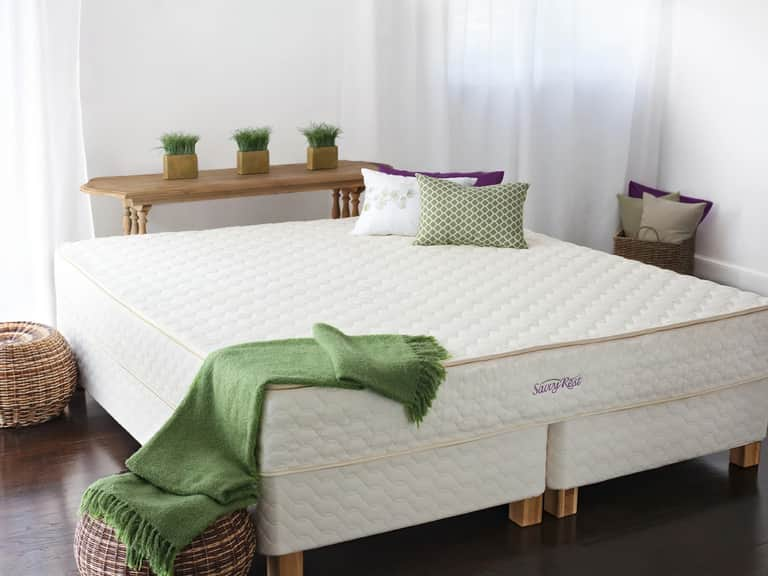
For readers ready to explore an organic option with established materials and a robust certification profile, the Savvy Rest Serenity Latex Mattress offers a noteworthy example of customization and natural construction. This mattress features:
- Organic Dunlop or Talalay latex layers
- Certified organic cotton casing with wool batting inside
- Customization by layer to tailor firmness across body types
- 20-year warranty and US-based production
Savvy Rest Serenity Latex Mattress
The Serenity mattress embodies the organic ethos: a customizable, multi-layer latex system wrapped in organic cotton and wool. It offers a practical path for sleepers who want to tune firmness by layer and enjoy natural materials that regulate temperature naturally. The product is designed for durability and longer-term comfort, even as body needs evolve over time.
Care and considerations
When choosing a mattress with organic materials, consider how you plan to maintain it. Some covers and wool layers require spot cleaning or gentle care to preserve loft. Verify warranty coverage for materials and workmanship, and confirm the return policy in case your comfort needs evolve in the first months.
In all cases, rely on transparent material lists, credible certifications, and the brand’s willingness to share supplier information. A healthy sleep foundation depends not only on the materials themselves but also on the honesty of the narrative that surrounds them.
8) Conclusion: informed choices for healthier sleep
Choosing an organic mattress is a decision that blends science, ethics, and personal comfort. By focusing on certifications, material integrity, and brand transparency, you can navigate a market crowded with claims and arrive at a foundation that supports better sleep health. The right mattress—one that aligns with your body, climate, and values—has the potential to improve sleep quality, daytime mood, and long-term well-being.
Authoritative notes on sourcing and further reading
For readers seeking a deeper dive, consult independent sleep science research, consumer reports on organic textiles, and brand-supplied material disclosures. A thoughtful reader keeps a skepticism lens toward marketing language while prioritizing data on material properties, testing methodologies, and lifecycle analyses.
Always verify the availability of official documentation and certificates for every material component and, when possible, request direct contact with the supplier or a certificate of conformity that confirms organic status per product line.
References and suggested further reading
- Global Organic Textile Standard (GOTS) and Global Organic Latex Standard (GOLS) official guidelines
- Studies on latex mattress performance, temperature regulation, and pressure distribution
- Consumer resources on organic certifications, material safety, and environmental impact