Mattress toppers provide an additional layer of comfort and protection for existing mattresses, reinforcing support and extending mattress life. A topper can help regulate sleep surface temperature, reduce motion transfer, and adapt firmness levels to individual preferences. Understanding materials like memory foam, latex, and natural fibers informs healthier sleeping environments and better alignment for the spine.
In the realm of bedding and sleep accessories, a Mattress Topper often serves as a versatile upgrade for diverse sleeping needs. Depending on construction, toppers can cushion pressure points, maintain consistent resilience, and shield against wear. For households seeking organic or natural options, selecting certified components can support healthier interior sleep ecosystems.
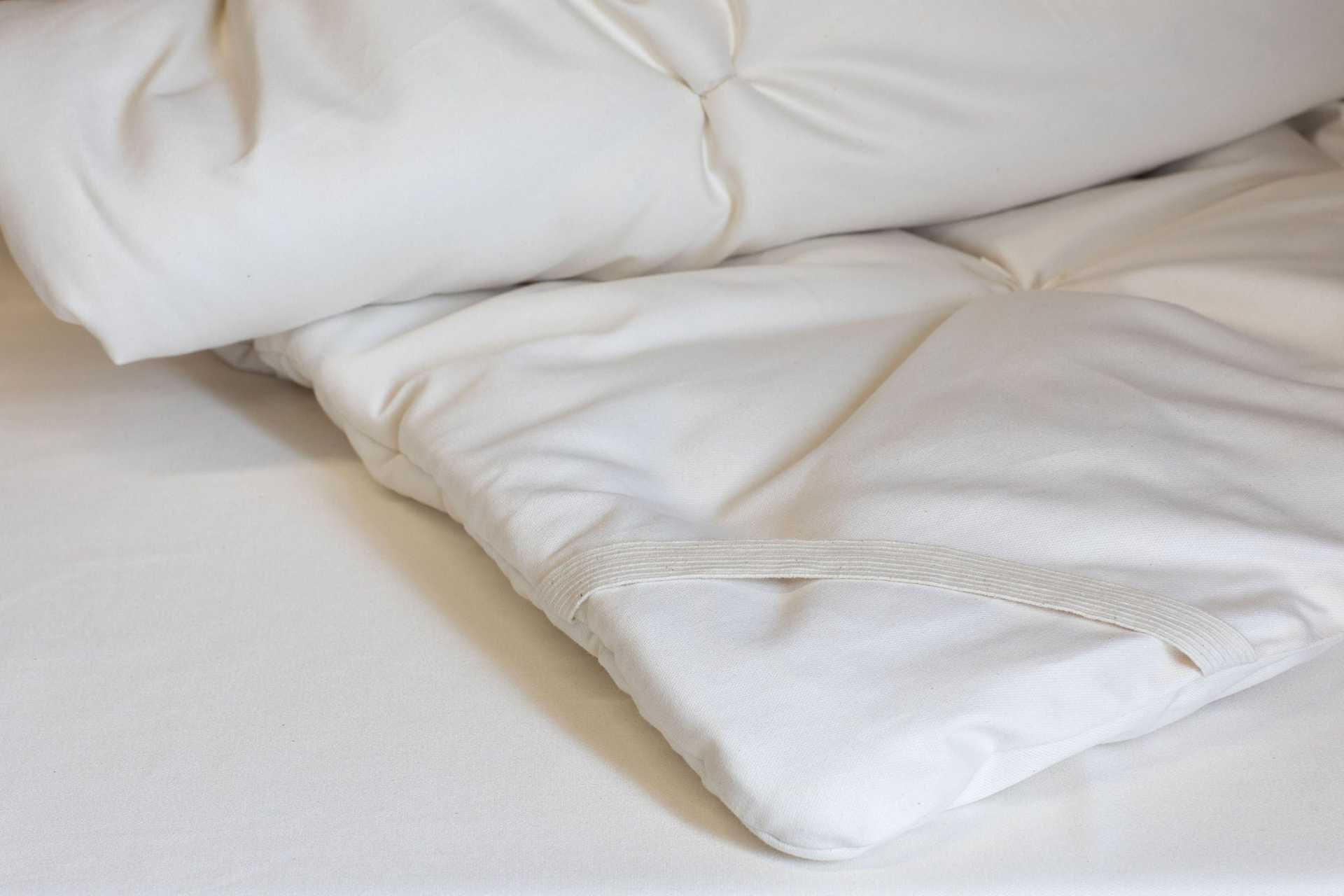
Natural Child's Crib Mattress Topper, as a key example, emphasizes baby-safe materials and gentle support. It may feature breathable cores, non-toxic finishes, and ease of cleaning to support daily caregiving routines. The ergonomic design aids infant comfort while maintaining appropriate firmness for crib use and developmental sleep needs.
When evaluating toppers for children or adults, attention to thickness, density, and cover material helps balance comfort with safety. Layered constructions can offer contouring without excessive compression, while removable, washable covers simplify maintenance. Functional benefits include improved spinal alignment, reduced tossing, and enhanced durability of the underlying mattress.
In educational contexts about sleep surfaces, keywords such as bedding, organic mattresses, and organic crib mattresses appear frequently. Integrating these terms supports a comprehensive understanding of how toppers interact with various sleep environments, reinforcing best practices for hygiene, temperature regulation, and long-term resilience of sleep furnishings.
 Bedding